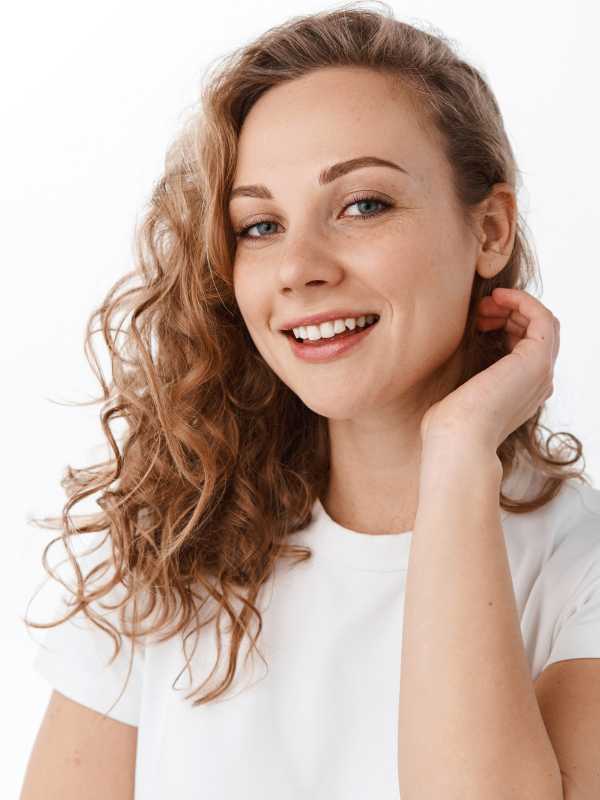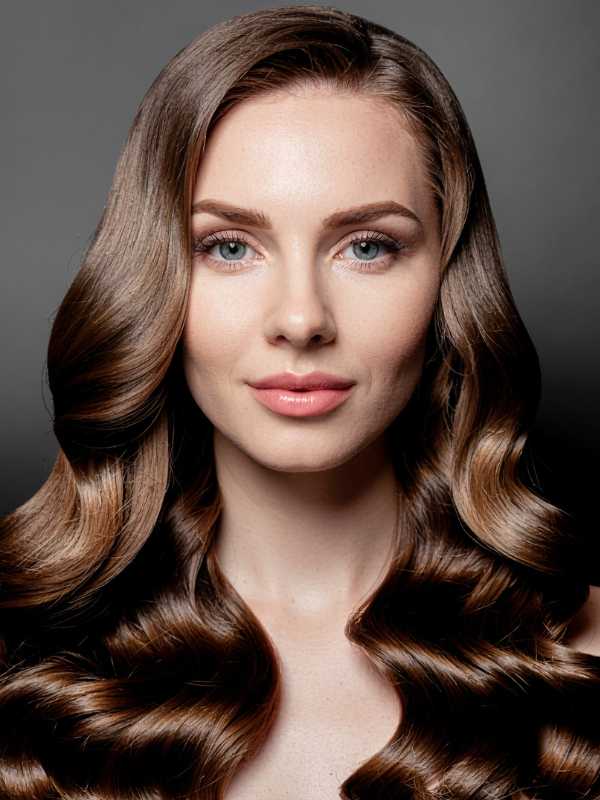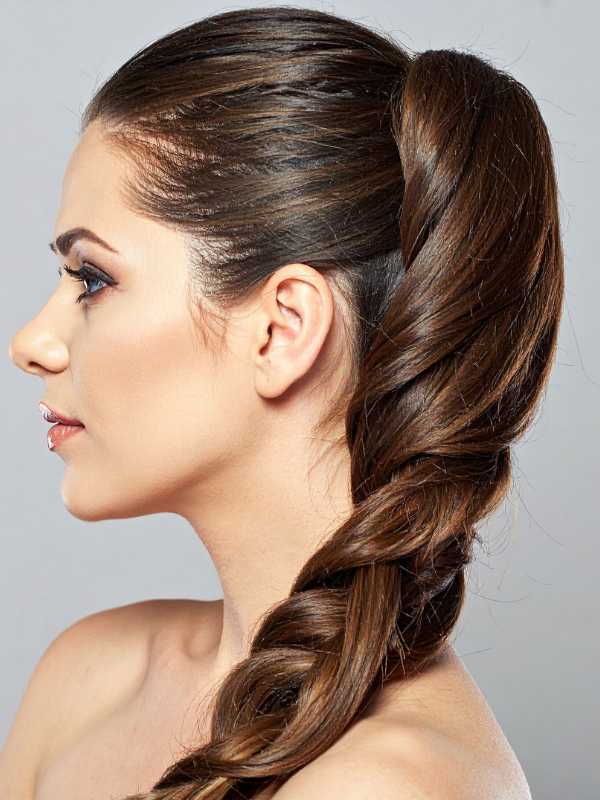
15 Easy Heatless Curl Methods That Actually Work at Home
I used to think curls always needed heat, however my hair told a different story over time as it became dry, weak, and harder to manage, therefore I started looking for heatless curl methods I could do at home without causing more damage. At first, I was skeptical because many heatless curl methods looked too simple or felt like passing trends, however after testing them consistently, I realized that some actually work and give soft, defined curls without stressing the hair.
Most importantly, these easy options require no special tools and fit into a normal routine, which makes them realistic for everyday use. In this guide, I’m sharing the heatless curl methods that truly worked for me, what kind of results to expect, and how to choose the right one based on your hair type and available time, so you can enjoy curls while keeping your hair healthy.
Before You Start With Heatless Curl Methods
Before trying any heatless curl methods, hair prep matters more than people think, because the wrong starting point can ruin results even if the method is good. Slightly damp hair usually works best, however soaking wet hair can take too long to dry and lead to frizz the next morning. Dry hair can also work, especially for loose waves, but adding a light leave-in or curl cream helps the curls hold better. In addition, section size matters because smaller sections give tighter curls while bigger sections create soft waves, so choosing based on your desired result is important. Most importantly, patience is key, because rushing the process or taking curls out too early often leads to flat or uneven results.
15 Easy Heatless Curl Methods That Actually Work at Home
1. Heatless Curl Methods Using Overnight Braids
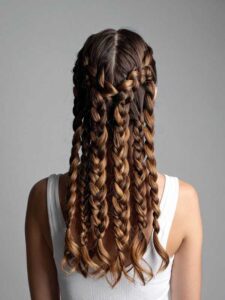
Overnight braids are one of the easiest heatless curl methods because they require no tools and fit naturally into a bedtime routine. This method works best on slightly damp hair, therefore spraying a little water or leave-in before braiding helps improve definition. One or two braids give loose waves, while four or more braids create tighter curls, so the section size controls the final look. In the morning, gently undo the braids and separate with fingers instead of a brush to avoid frizz, and finish with a light oil if needed. This method works especially well for beginners because it is simple and forgiving.
2. Heatless Curl Methods With Two-Strand Twists
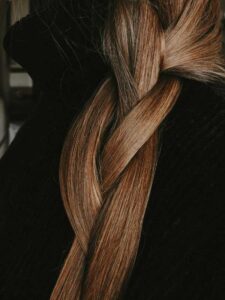
Two-strand twists are great for defined curls and work well on both natural and relaxed hair, however they require slightly more time than braids. Start on damp hair and apply a curl cream evenly, then twist small sections tightly from root to tip for better hold. The tighter the twist, the more defined the curl will be, therefore consistency matters when sectioning. After fully drying, unravel slowly to avoid disturbing the curl pattern, and separate gently for volume. This method is ideal if you want soft curls with a bit more structure.
3. Heatless Curl Methods Using Sock Curls
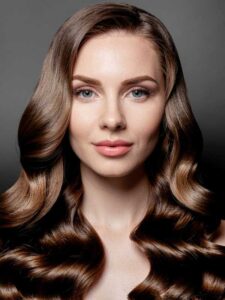
Sock curls are popular because they use items found at home, which makes them budget-friendly and easy to try. This method works best on damp hair, because the fabric helps hold moisture while the hair sets. Wrap small sections around each sock, tie gently, and allow them to dry completely, preferably overnight for best results. In the morning, remove the socks carefully and shake out the curls with your fingers to keep them soft. This option is perfect if you want uniform curls without heat or styling tools.
4. Heatless Curl Methods With a Headband Wrap
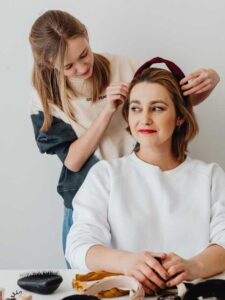
Headband curls are ideal for loose, romantic waves and work best on medium to long hair, however shorter hair can still get subtle bends. Place a soft headband over your head and wrap sections of damp hair around it evenly, making sure the hair stays flat and smooth as you go. The tighter you wrap, the stronger the wave will be, therefore adjust based on your preference. After several hours or overnight, release gently and smooth with your hands instead of combing. This method is great for beginners who want an effortless look.
5. Heatless Curl Methods with Flexi Rods Without Heat
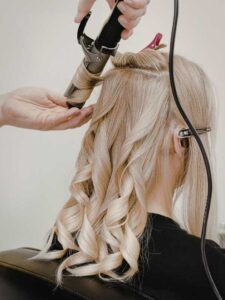
Flexi rods are useful when you want more control over curl size, however they still work without heat if used correctly. Start with damp hair and apply a small amount of curl cream to each section before rolling the hair around the rod. Smaller rods create tighter curls, while bigger rods give soft volume, therefore choosing the right size matters. Allow the hair to dry fully, which may take several hours or overnight, before removing the rods slowly. This method is great for longer-lasting curls and defined shapes.
6. Scrunch and Air-Dry Technique
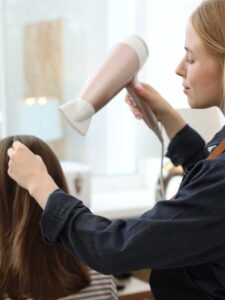
This method is simple and works best for people who want natural texture rather than perfect curls. Apply a lightweight curl cream or mousse to damp hair, then scrunch upward gently using your hands. Avoid touching the hair too much while it dries, because over-handling often leads to frizz. Once dry, break the cast softly with your fingers for movement. This option works well for wavy hair types and busy days.
7. Heatless Curl Methods with Bantu Knots
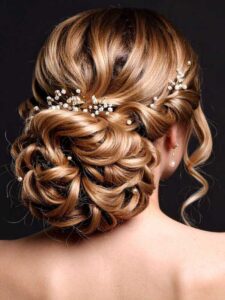
Bantu knots create tight, springy curls and work especially well on textured hair. Start with damp hair and divide it into even sections, then twist each section tightly and wrap it around itself to form a knot. Secure the knot gently and allow it to dry completely, which usually takes overnight. When releasing, separate slowly to keep the curl pattern intact. This method gives bold curls and good volume when done correctly.
8. Paper Towel Curls
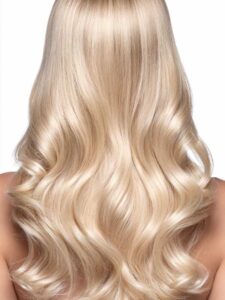
Paper towel curls are a good option when you want soft curls without buying anything extra. Tear paper towels into long strips and wrap small sections of damp hair around each strip, tying gently at the ends. This method works best for short to medium hair lengths because the towels are lightweight. After the hair dries, unwrap carefully and separate with your fingers. The result is usually soft and natural-looking curls.
9. Claw Clip Waves
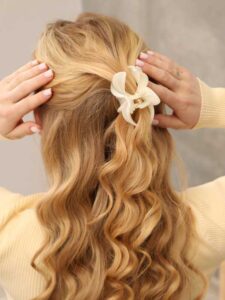
Claw clip waves are perfect for loose bends and relaxed texture. Twist sections of slightly damp hair upward and secure them with a claw clip, making sure the hair lies flat. The placement of the clip controls the wave direction, therefore experimenting helps. After a few hours or once fully dry, release and adjust gently with your hands. This is a great lazy-day option with minimal effort.
10. Classic Pin Curls
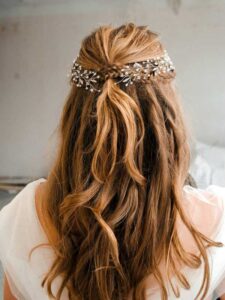
Pin curls may look old-fashioned, however they still work very well for defined curls. Wrap small sections of damp hair into loops and pin them flat against the scalp using bobby pins. The smaller the section, the tighter the curl, so section size matters. Once dry, remove the pins slowly and style with fingers instead of a brush. This method holds well and works nicely for shorter hair.
11. Rope Braids
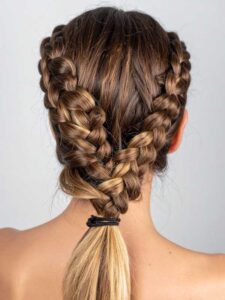
Rope braids create a soft, textured curl that looks more relaxed than regular braids. Start by dividing damp hair into two sections and twisting them around each other in one direction, then secure the ends gently. Keeping the twist tight helps the curl hold better, therefore consistency matters from root to tip. After the hair dries fully, unravel slowly and separate lightly for volume. This method works well when you want defined texture without tight curls.
12. Bun Waves
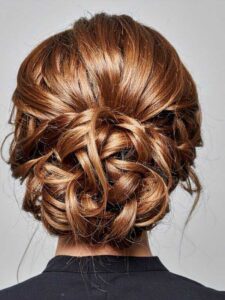
Bun waves are one of the fastest options for loose curls, especially when time is limited. Gather damp hair into one or two buns depending on how much volume you want, then secure loosely to avoid dents. A high bun gives lift at the roots, while a low bun creates softer waves, therefore placement changes the result. Once the hair is completely dry, release and shape with your fingers. This option is great for everyday styling.
13. T-Shirt Wrap Technique
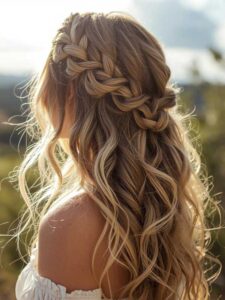
Using a cotton T-shirt helps reduce frizz while shaping curls naturally. Lay the T-shirt flat, place damp hair in the center, and wrap it gently around the head to keep the hair secure. This method works best when left on for several hours or overnight, because the fabric absorbs excess moisture without roughing up the hair. After removal, shake out the curls lightly and avoid brushing. This is ideal for soft definition and healthier ends.
14. Twist-Out on Damp Hair
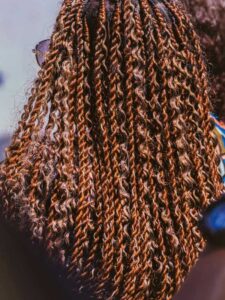
Twist-outs give controlled curls and work well when you want a polished look. Apply a small amount of curl cream to damp hair, then twist small sections evenly across the head. The size of the twist affects the curl shape, therefore smaller twists create tighter curls while larger ones give soft waves. Once fully dry, unravel gently and separate with care. This method gives long-lasting results when done patiently.
15. Finger Coils
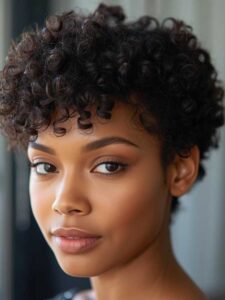
Finger coils offer the most control over curl shape, although they take more time than other methods. Apply a curl cream to damp hair and wrap small sections around your finger, twisting in one direction until a coil forms. Let the hair dry completely before touching it to avoid frizz. After drying, separate slightly for volume if needed. This technique works best for defined curls and stubborn sections that need extra help.
What Actually Helps Heatless Curls Last
Hair type plays a big role in how long curls last, however product choice and timing matter just as much. Starting with clean, slightly damp hair gives better hold than overly dry or soaking wet hair. Lightweight creams help define curls, while heavier products may weigh them down. Allowing the hair to dry fully before removing any style is crucial, because early removal often leads to flat results. Sleeping with a satin bonnet or scarf also helps maintain shape and reduce frizz.
My Honest Experience With These Methods
After trying many heatless curl methods over time, I noticed that results depend more on consistency than perfection. Some methods worked better on certain days, while others depended on how well my hair was prepped before styling. Overnight braids and twist-outs gave me the most reliable results, however bun waves and claw clip styles were better for quick texture rather than defined curls. I also learned that rushing the process or skipping full drying time almost always led to flat hair, therefore patience made a big difference. Most importantly, mixing methods based on my schedule helped me stay consistent without feeling frustrated.
Frequent Ask Questions
1. Do heatless curls work on straight hair?
Yes, they can work, however straight hair may need tighter sections and more hold product for the curls to last longer.
2. How long do heatless curls usually last?
Results vary, but most curls last a full day and can stretch into the next day with proper care.
3. Can I do these methods on dry hair?
Some methods work on dry hair, however slightly damp hair usually gives better definition and hold.
4. Which method is the fastest?
Bun waves and claw clip styles are the quickest because they require minimal sectioning.
Heatless curls are not about perfection but about finding what works best for your hair and routine, and once you understand how your hair responds, styling becomes much easier. These easy methods prove that you do not need heat or special tools to achieve soft curls at home, and with a little patience and practice, the results can be surprisingly good. Try one or two methods first, adjust based on your hair type, and do not be afraid to mix techniques until you find your favorite approach that keeps your hair healthy while still giving you the curls you love.
This Post Showed You 15 Easy Heatless Curl Methods That Actually Work at Home
You may also like:
20 Romantic Curls for Beginners With Simple Tools (Step-by-Step)
23 Valentine’s Day Hairstyles That Look Romantic but Easy
Hairstyles for Short Hair That Are Chic, Easy, and Trendy Looks You’ll Love
22 Effortless Low Maintenance Hairstyles for Short Hair You’ll Love