How to Choose Low-Maintenance Hairstyles for Stress-Free Busy Weeks
Busy weeks show how much effort low-maintenance hairstyles truly save. When mornings feel rushed, hair that needs constant fixing quickly becomes a problem. I noticed that during full weeks, I always choose styles that stay neat on their own. These styles feel calm and dependable, even when the day feels chaotic.
That is why low-maintenance hairstyles keep appearing in everyday conversations. They are not popular because people stopped caring about style. They are popular because people want hair that fits real life. Most people now prefer styles that feel easy, comfortable, and reliable.
Instead of planning hair around weather or long routines, many people want styles that last through normal days. A hairstyle that holds up without effort builds quiet confidence. When hair stops taking energy, it becomes easier to focus on everything else.
Why Low-Maintenance Hairstyles Works in Real Life
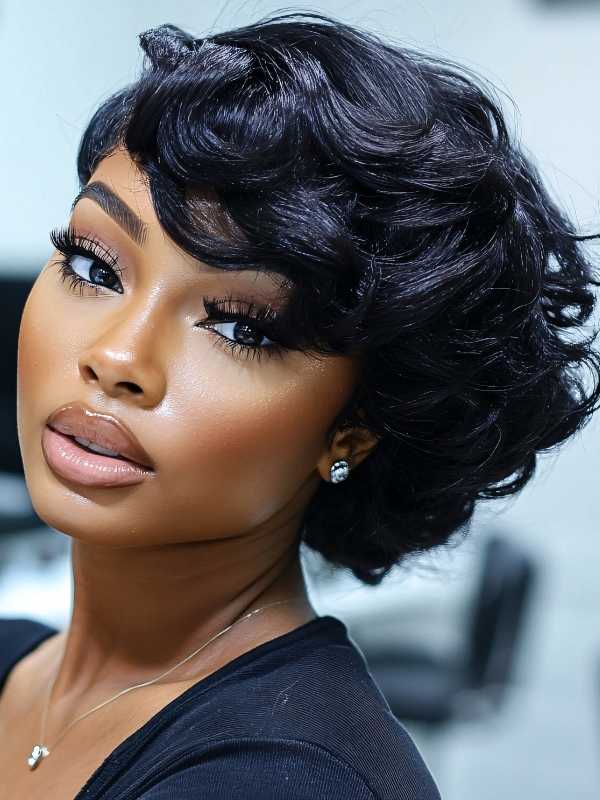
Low-maintenance hairstyles work in real life because they look good without depending on perfect conditions. They hold up during long days, sudden errands, and changes in weather, which makes them more reliable than styles that only look good right after styling. When a hairstyle keeps its shape without constant touch-ups, it feels more realistic and less demanding.
Comfort also plays a big role in why these styles work so well. Hair that feels light, secure, and balanced makes it easier to move through the day without irritation or distraction. I have noticed that when my hair feels comfortable, I carry myself with more confidence because I am not thinking about how it looks every few minutes. That ease shows in posture, mood, and even productivity.
Another reason low-maintenance hairstyles work beyond photos is consistency. These styles tend to look similar from morning to evening, which removes pressure to check mirrors or fix small flaws. That consistency builds trust in the style itself. You start to rely on it, especially during busy weeks.
One practical tip that makes a real difference is choosing a style that matches your natural hair behavior. When the texture, length, and shape work with your hair instead of against it, upkeep drops naturally. This simple choice often matters more than the style itself.
How Low-Maintenance Hairstyles Fits Into Everyday Life
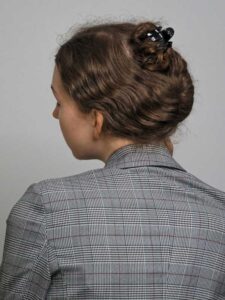
Low-maintenance hairstyles fit into everyday life because they work around normal routines instead of disrupting them. They allow people to move from home to work, errands, and rest without needing frequent styling breaks. When a hairstyle supports daily movement, it feels like part of the routine rather than an extra task.
Upkeep stays manageable because these styles do not rely on precision. Small changes in weather, sleep, or activity usually do not ruin the overall look. This makes them easier to live with during busy weeks when time and energy feel limited. The effort stays low, but the appearance still feels intentional.
One simple adjustment that makes these styles even easier to maintain is building a short reset habit. A quick morning refresh, such as light moisturizing or gentle reshaping, often replaces long styling sessions. This keeps the style looking neat without adding pressure to the day.
Overall, low-maintenance hairstyles support consistency. They remove daily decisions and reduce stress, which helps people focus on what truly matters during full weeks.
Popular Variations People Ask About
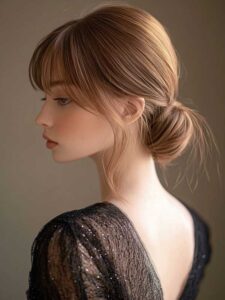
People often ask about variations of low-maintenance hairstyles because they want small changes that still feel easy. Most are not looking for something new or trendy. They want a style that fits their routine a little better. Small adjustments help a familiar style feel more personal.
Some people prefer shorter versions because they save time. Shorter styles dry faster and feel lighter during busy days. They often suit people who move around a lot or deal with warm weather. Others choose medium-length styles because they feel more flexible. These styles allow simple changes without extra effort.
Texture also matters when choosing a variation. Many people follow their natural texture because it lowers daily work. Hair behaves better when it is not forced into shape. Some people still prefer light shaping for a cleaner look. This works well for those who want structure without daily styling.
Protective and semi-protective styles come up often in these questions. They appeal to people who want hair to stay neat for longer periods. These options suit packed schedules where daily styling feels unrealistic.
Things to Know Before Trying Low-Maintenance Hairstyles
Low-maintenance hairstyles still require intention. Many people expect these styles to work with no effort at all. That belief often leads to disappointment. Low maintenance means less daily work, not no care at any point.
Preparation plays a bigger role than most people realize. Hair that starts clean, moisturized, and properly shaped holds styles better. When the base is strong, the style stays neat for longer. Skipping preparation usually causes frizz, dryness, or early breakdown.
Your lifestyle also affects how easy a style feels. Daily movement, weather exposure, and work demands all matter. Someone who spends hours outdoors may need more upkeep than someone indoors. Understanding your routine helps you choose a style that truly feels low effort.
Hair texture and density matter just as much. Some textures naturally hold shape with little help. Others need light support to stay neat. Choosing a style that works with your hair pattern reduces frustration. Fighting natural behavior increases daily stress.
There are also trade-offs to consider. Some low-maintenance hairstyles limit styling variety. Others may look repetitive after a few days. A few styles need short refresh moments to stay clean. These downsides are normal and manageable when expected.
Products and tools can also affect results. Using the wrong products can make even simple styles feel heavy or messy. Light, supportive products usually work best. The goal is control, not stiffness.
When expectations match reality, these styles feel freeing. They support busy weeks instead of adding pressure. Knowing these details helps you choose wisely and enjoy the results longer.
My Honest Take on Low-Maintenance Hairstyles
I like low-maintenance hairstyles because they remove pressure from my day. I do not feel rushed in the morning or distracted later on. When my hair behaves without constant effort, I feel more settled and focused. That sense of ease matters more to me than variety during busy weeks.
What I enjoy most is the consistency. I can rely on the style to look decent from morning to evening. I do not worry about small changes or imperfect moments. This makes it easier to move through long days without second-guessing my appearance.
There are limits, though. Low-maintenance hairstyles can feel repetitive after a while. I sometimes miss the freedom to switch looks often. Some styles also need refresh days, even if they are simple. That can feel inconvenient during packed schedules.
I think these styles work best for people who value ease over constant change. They suit those with full routines, active days, or limited time for styling. For anyone who wants hair to support life instead of controlling it, low-maintenance hairstyles make sense.
Frequently Asked Questions
1. Is low-maintenance hairstyles easy to maintain?
Low-maintenance hairstyles are easier to maintain than most styles, but they are not effortless. They reduce daily styling time and decision-making. Maintenance depends on hair type, lifestyle, and preparation. When the base is done right, upkeep stays simple and predictable.
2. Does low-maintenance hairstyles work for everyone?
Low-maintenance hairstyles can work for many people, but not for every preference. Some people enjoy daily styling and variety. Others prefer ease and consistency. Lifestyle matters more than hair type. Busy routines often benefit the most from these styles.
3. How long does low-maintenance hairstyles usually last or stay fresh?
The freshness depends on the style and daily habits. Some styles last several days with little change. Others need light refresh moments to stay neat. Sweat, weather, and movement can shorten wear time. Proper moisture and protection usually help extend results.
4. What is the most common mistake people make?
The most common mistake is expecting zero effort. Low maintenance does not mean no care at all. Skipping preparation or moisture often causes the style to fail early. A simple base routine usually fixes this issue.
5. How can I make low-maintenance hairstyles look more polished?
Small details make a big difference. Clean edges, light moisture, or gentle reshaping help improve the look. Choosing a style that fits your hair behavior also adds polish. The goal is neatness, not perfection.
Low-maintenance hairstyles work best when they support real life instead of competing with it. They remove pressure from busy weeks and reduce daily decisions. When hair feels manageable, everything else feels lighter.
Style choices are personal. What feels easy for one person may feel limiting for another. There is no single option that works for everyone. The right choice is the one that fits your routine, comfort, and energy level.
Low-maintenance hairstyles are not about giving up on style. They are about choosing ease on purpose. When a hairstyle feels natural and dependable, it becomes part of self-care rather than a task. That balance is often what matters most.
This Post Showed You How to Choose Low-Maintenance Hairstyles for Stress-Free Busy Weeks
You may also like:
Easy Spring Protective Hairstyles That Save Time
17 Soft Waves Tutorial for Low-Effort, Beautiful Results
15 Hairstyles For Photoshoots With Minimal Products You’ll Love
14 Valentine’s Braided Hairstyles That Look Romantic but Easy