Hair Color Ideas That Make Hair Look Healthier and Full
I have tried many hair colors over the years, and I noticed early on that the right shade can completely change how healthy and full hair looks. Some colors made my hair feel thicker and smoother, while others highlighted dryness and thinning even when my routine stayed the same. Because of that experience, I started paying closer attention to Hair Color Ideas that support the natural look of hair instead of overpowering it. That shift alone made my hair appear healthier with less effort.
Many people believe fullness comes only from styling or genetics. However, color plays a strong role in how hair reflects light and shows texture. The right shade can soften uneven areas, reduce the look of breakage, and make hair appear more dense overall. In addition, balanced colors grow out better, which helps hair stay full-looking between appointments. From my experience, choosing the right color matters just as much as how you care for your hair.
Hair Color Ideas That Improve the Look of Hair Health
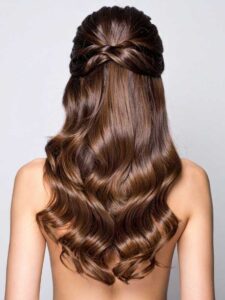
Not all Hair Color Ideas are created equal, especially when the goal is healthier-looking hair. Some shades hide damage better, while others bring attention to dryness or thin ends. Softer, natural-looking colors usually perform better because they blend with the hair’s natural movement. This creates a smoother appearance that reads as healthy and full.
I noticed that when I stopped choosing extreme shades, my hair instantly looked calmer and more polished. The color no longer fought against my natural texture. Instead, it supported it. That made a visible difference in how thick and healthy my hair looked day to day.
Why the Right Hair Color Makes Hair Look Fuller
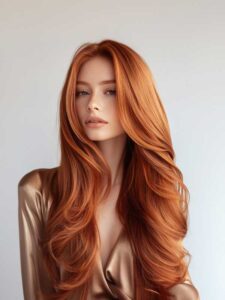
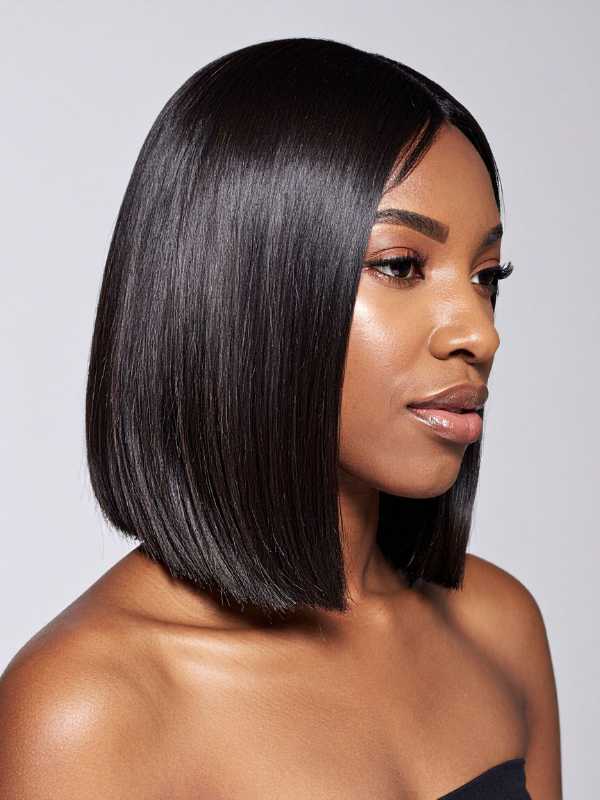
The way color reflects light has a direct impact on how full hair appears. Flat or overly dark shades absorb light, which can make hair look heavy and thin. On the other hand, well-balanced Hair Color Ideas reflect light evenly across the hair shaft. This helps disguise thin areas and uneven texture.
In addition, colors that stay close to natural tones reduce harsh contrast at the roots and ends. This makes hair appear more consistent from top to bottom. In my case, this approach helped my hair look thicker without changing its actual texture or length.
Hair Color Ideas That Add Depth Without Making Hair Look Heavy
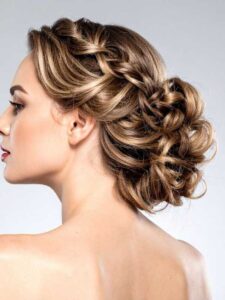
Some Hair Color Ideas work well because they add depth while keeping the hair light and natural. Flat shades often make hair look thinner since they remove contrast and movement. However, layered tones create dimension, which helps hair appear fuller from every angle. This effect becomes noticeable even without styling.
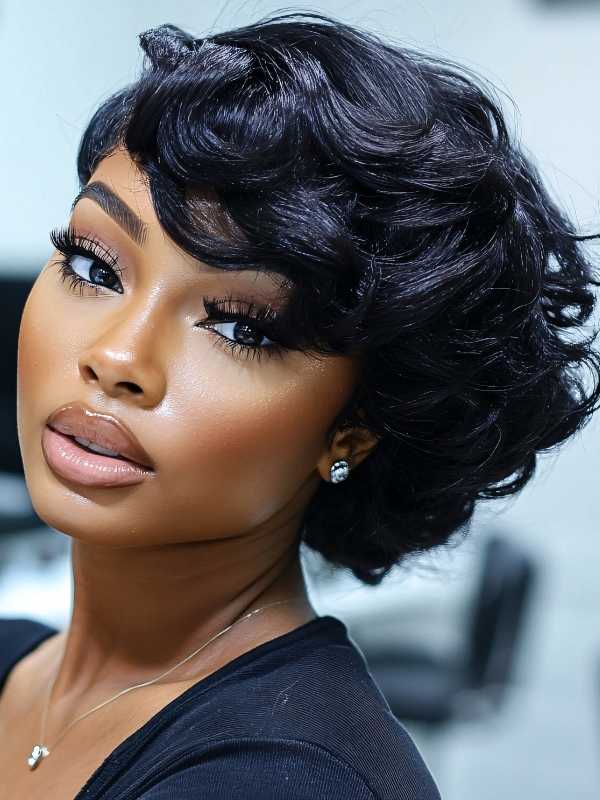
Colors with soft depth, such as medium browns or gentle warm blacks, tend to reflect light more evenly. In addition, they reduce the look of breakage because they do not create sharp visual lines. I noticed that once I moved away from one-tone colors, my hair started to look healthier even on low-effort days.
Hair Color Ideas That Use Warm Tones for a Healthier Look
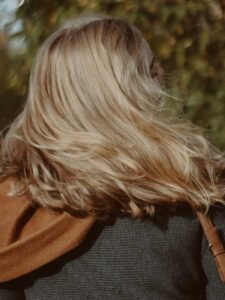
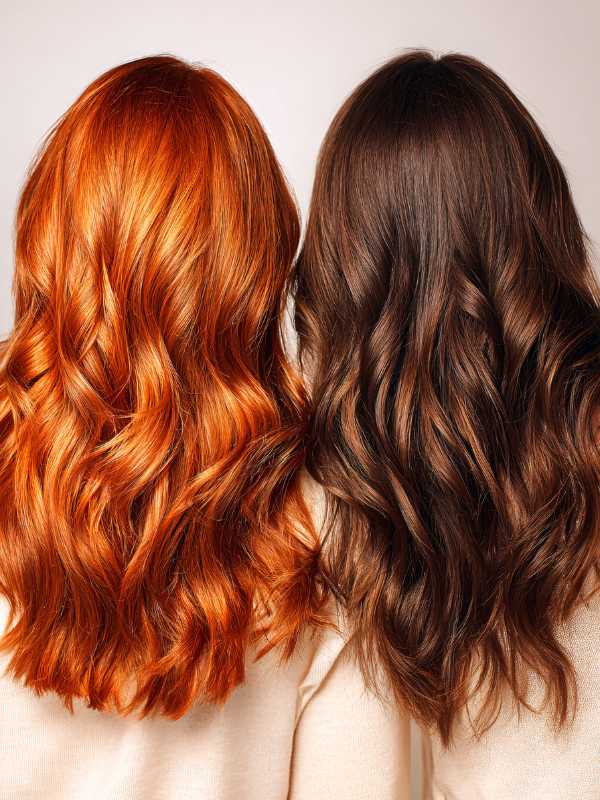
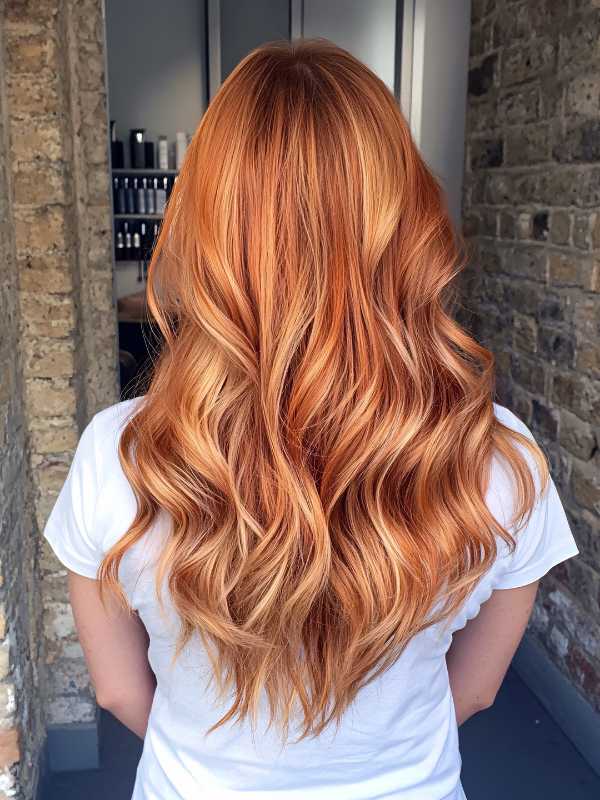
Warm tones are among the most reliable Hair Color Ideas when the goal is healthier-looking hair. Shades with soft warmth reflect light better than cool or ashy tones. This reflection creates a subtle shine that makes hair look smoother and more nourished. As a result, hair appears fuller without looking oily or overprocessed.
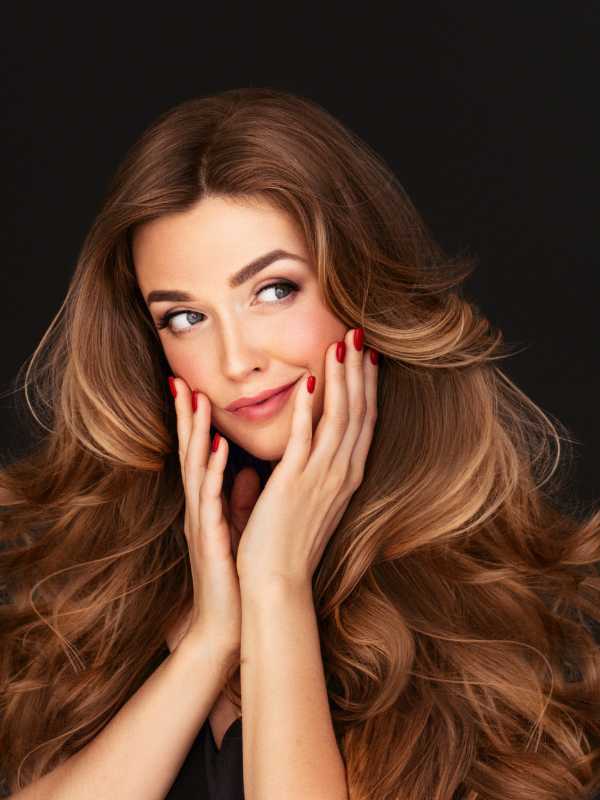
Warm browns, honey shades, and soft caramel tones also blend well with natural hair growth. Because of this, the roots look softer as they grow out. From my experience, warm tones made my hair look alive again after periods of dryness and dullness, even before my hair fully recovered.
Hair Color Ideas That Grow Out Well and Keep Hair Looking Full
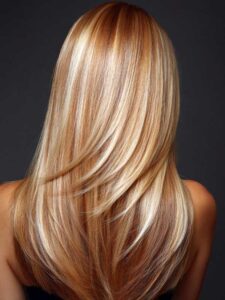
One overlooked factor in choosing Hair Color Ideas is how the color looks as it grows out. Harsh contrast between roots and lengths can make hair appear thinner over time. Softer shades, however, blend better with natural growth and help maintain a fuller look for longer periods.
Colors that stay close to your natural base reduce visible lines and uneven texture. In addition, they require fewer touch-ups, which helps prevent repeated damage. I found that choosing grow-out-friendly colors made my hair look consistently healthy instead of only fresh right after coloring.
Hair Color Ideas That Reduce the Look of Damage
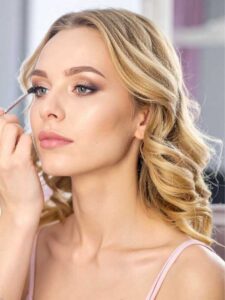
Some Hair Color Ideas hide damage better than others, which makes a big difference in how healthy hair looks. Very light or very dark shades often highlight dryness, split ends, and uneven texture. Balanced tones, on the other hand, soften these areas and create a smoother overall appearance.
When I switched to more forgiving colors, my hair immediately looked thicker at the ends. The damage did not disappear, but it became less noticeable. That change alone made my hair look fuller and more polished without extra treatments.
Things to Know Before Trying Hair Color Ideas
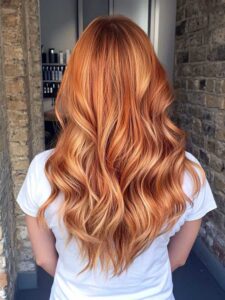
Before choosing from different Hair Color Ideas, it helps to understand how color interacts with your natural hair condition. Hair that is dry, fine, or already damaged reacts differently to color than strong, untreated hair. Because of this, the same shade can look healthy on one person and flat on another. Paying attention to your starting point makes a big difference in the final result.
One important factor is natural hair texture. Fine hair often looks fuller with softer and warmer tones, while very dark or flat shades can make it appear thin. Thick hair usually handles deeper colors better, but even then, balance matters. From my experience, choosing a shade that works with your texture instead of against it leads to better results.
Maintenance is another thing many people overlook. Some Hair Color Ideas look great in the first week but quickly lose their effect if they require frequent touch-ups. Repeated coloring can stress the hair and reduce fullness over time. Softer colors that grow out gently help preserve hair health and keep the hair looking full for longer periods.
Lighting also changes how hair color appears. Indoor light, sunlight, and artificial light all affect how healthy hair looks. Colors that reflect light evenly tend to perform better in every setting. I noticed that balanced shades looked good no matter where I was, while extreme colors only looked good in certain light.
Lastly, hair care habits matter just as much as the color itself. Even the best Hair Color Ideas cannot hide constant heat damage or dryness. However, choosing a forgiving shade makes it easier to maintain a healthy appearance while improving your routine over time.
My Honest Take
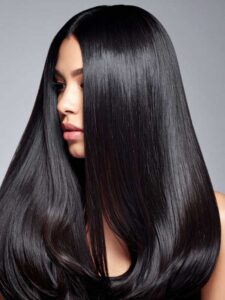
After trying many shades over the years, I’ve learned that not all hair color choices are worth the effort. Some look exciting at first but quickly make hair feel dry, thin, or difficult to manage. The Hair Color Ideas that worked best for me were never extreme or trendy. Instead, they were shades that blended easily with my natural hair and did not demand constant upkeep.
I used to think bolder colors would make my hair stand out more. However, I noticed they often highlighted breakage and uneven texture. Softer colors did the opposite. They made my hair look calmer, fuller, and more put together, even when my routine was simple. That balance made a bigger difference than I expected.
What I appreciate most about choosing the right color is the long-term effect. My hair did not look good only on fresh salon days. It stayed healthy-looking weeks later. From my experience, a good hair color choice should support your hair, not pressure you to constantly fix it. That mindset changed how I approach coloring completely.
How to Keep Colored Hair Looking Healthy and Full
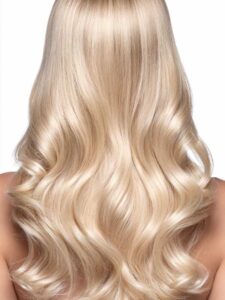
Choosing the right shade is only part of the process. How you treat your hair afterward has a big impact on how healthy and full it continues to look. Colored hair tends to lose moisture faster, which can make it appear thin over time. Because of this, gentle care becomes even more important after coloring.
Using mild shampoos and limiting heat helps preserve both color and texture. In addition, deep conditioning keeps the hair surface smooth, which improves how light reflects off it. From my experience, hair always looks fuller when it feels soft rather than stiff. Small changes in routine often make a bigger difference than switching colors again.
Common Mistakes That Make Hair Color Look Unhealthy
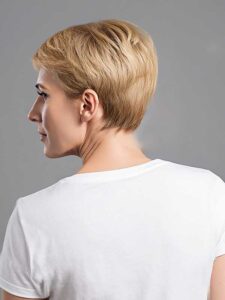
One common mistake is choosing a shade that is too far from natural hair color. This creates strong contrast and draws attention to regrowth and damage. Another issue is frequent touch-ups, which weaken the hair over time and reduce fullness. These habits can make even good color choices look unhealthy.
I made this mistake early on by refreshing color too often. Instead of looking better, my hair became dry and fragile. Once I spaced out coloring and chose gentler shades, my hair started to look thicker again. Learning what to avoid was just as important as choosing the right color.
Over time, I’ve learned that the healthiest-looking hair usually comes from simple and thoughtful choices. The right color does not fight your natural texture or demand constant fixing. Instead, it works quietly in the background, helping hair reflect light better and appear fuller day after day. That subtle effect often matters more than dramatic change.
Hair color should feel supportive, not stressful. When a shade grows out well and hides small imperfections, it allows hair to look good even on low-effort days. In addition, it gives you space to focus on care instead of constant correction. From my experience, choosing calmer, balanced colors always leads to better long-term results.
If you’re considering a change, think about how you want your hair to look weeks from now, not just the first day. A color that makes hair look healthy and full over time is usually the one worth choosing.
This Post Showed You Hair Color Ideas That Make Hair Look Healthier and Full
You may also like:
Best Hairstyles for Women in Their 20s for Everyday Life
Prevent Edge Damage With Hairstyles That Protect Your Hairline
Simple Hairstyles That Always Look Neat
How to Choose Low-Maintenance Hairstyles for Stress-Free Busy Weeks