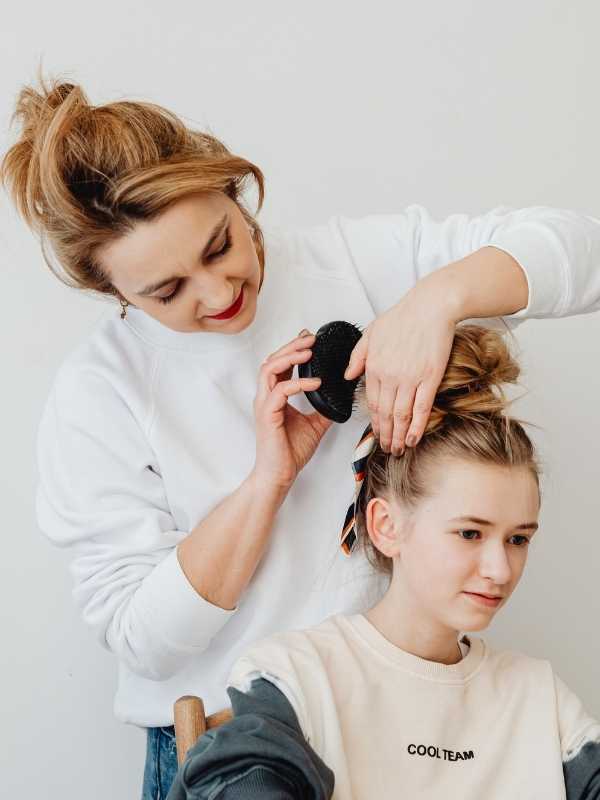
Prevent Edge Damage With Hairstyles That Protect Your Hairline
Many people notice edge damage during simple moments. It often shows while brushing the hairline or tying the hair back. The edges start to look thin or weak. Growth also feels slower. At first, the change feels small. Over time, it becomes harder to ignore. This is why more people now look for ways to prevent edge damage instead of fixing it later.
Edges sit at the most delicate part of the scalp. Yet daily styling places constant stress on that area. Tight styles, repeated brushing, and heavy add-ons all play a role. Busy routines make the problem worse. People often choose styles that last longer, even when those styles pull at the hairline. Edge health then becomes visible, not hidden.
Instead of chasing dramatic looks, many now prefer gentle styles. These styles protect the hair and still look neat. When the edges feel calm, the whole style feels easier to wear. This shift explains why edge care stays relevant across seasons and lifestyles. People want styles that work without long-term damage.
Why Prevent Edge Damage Works in Real Life
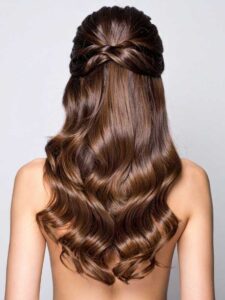
Styles that help prevent edge damage work well in daily life because they feel comfortable. They do not pull at the hairline. They also reduce tension during long wear. Comfort matters more than people often admit. When a style hurts, it affects mood, focus, and confidence.
Edge-friendly styles also hold up better over time. They do not break down at the hairline first. This makes the style look neat for longer. The edges stay soft instead of frizzy or thin. That balance makes the style look natural, not forced.
From real experience, gentle styles require fewer touch-ups. There is less need to smooth edges again and again. This reduces brushing and friction. Over time, the hairline looks fuller and calmer. That change feels encouraging, not stressful.
One practical habit helps a lot. Pay attention during the first hour of wear. If the edges feel sore or tight, the style is not right. Discomfort rarely fades on its own. Comfort at the start usually leads to healthier edges later.
How Prevent Edge Damage Fits Into Everyday Life

Hairstyles that prevent edge damage fit well into normal routines. They do not require constant fixing. They also feel easier to wear throughout the day. This matters during work, errands, and long hours outside the home.
These styles usually need less daily effort. There is less pulling, brushing, or smoothing at the hairline. Because of this, the edges get more time to rest. Rest plays a big role in hair strength and growth. Small breaks from tension can make a visible difference over time.
Maintenance stays simple with the right adjustments. Looser parts reduce stress on the scalp. Softer hair ties also help. Limiting edge control use keeps the hairline flexible. These changes take little effort but protect the edges daily.
Honest upkeep also matters. No style stays perfect without care. Moisture, gentle handling, and night protection still apply. When these habits stay consistent, edge-friendly styles become easy to maintain and less stressful overall.
Popular Variations People Ask About

Many people want small changes when choosing edge-friendly styles. Personal comfort matters. So does face shape, work routine, and styling skill. A style that works for one person may feel wrong for another. Because of this, variations become important.
Some people prefer looser versions of familiar styles. They keep the same look but reduce tension at the front. This option suits those who like structure without discomfort. It works well for daily wear and long hours.
Others lean toward styles with less manipulation around the hairline. These styles avoid heavy edge control and sharp parts. They suit people with sensitive edges or slow regrowth. The look feels softer and more natural.
There are also styles that shift tension away from the front. These place parts deeper on the scalp or allow the edges to stay free. They work best for people recovering from past damage. Patience matters with this option, but results feel rewarding.
Some variations focus on flexibility. They allow rest days between styling. This suits people with active schedules or frequent changes. The goal stays the same. Protect the edges while keeping the style wearable.
Things to Know Before Trying Prevent Edge Damage
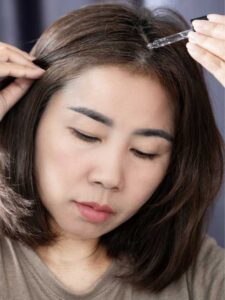
Preventing edge damage starts with realistic expectations. No style can fix years of damage overnight. Healing takes time and consistency. Styles can support growth, but they cannot replace good habits.
Preparation matters more than many people expect. Dry hair breaks faster. Dirty edges also react poorly to styling. Clean, moisturized hair handles low tension better. Skipping this step often leads to irritation.
Tension does not always feel painful at first. Some styles look fine but slowly stress the hairline. This is why early discomfort matters. If a style feels tight on day one, damage may follow later.
Maintenance still plays a role. Protective styles can cause damage if left too long. Build-up, dryness, and friction undo progress. Regular moisturizing and gentle handling help prevent this.
There are downsides to consider. Some edge-friendly styles may look less sleek. Others need more frequent refreshing. These trade-offs feel frustrating at times. Still, they protect long-term hair health.
My Honest Take on Prevent Edge Damage

I like styles that help prevent edge damage because they feel realistic. They work with my routine instead of against it. My scalp feels calm, not sore. That comfort changes how confident I feel during the day.
I also notice less breakage when I avoid tight styles. My edges look fuller over time. I do not feel the need to brush or smooth them constantly. This alone reduces stress on my hairline.
That said, these styles can feel limiting at times. They do not always give a sleek or dramatic finish. Some days, I miss sharper looks. Patience becomes necessary, especially when regrowth feels slow.
I find this approach works best for people who value long-term hair health. It suits those willing to trade perfection for comfort. If edge recovery matters, this choice makes sense. The results may feel slow, but they last.
Common Habits That Quietly Cause Edge Damage
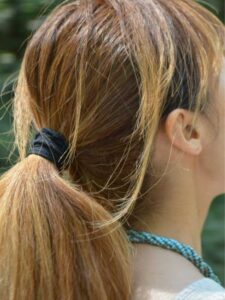
Many people damage their edges without realizing it. The habits feel normal and harmless. Over time, they add up. Repeated tension is often the main issue.
Pulling hair back the same way every day stresses the same spots. The hairline never gets a break. Even loose styles can cause damage if they stay in the same position. Rotation matters more than people think.
Overusing edge control also plays a role. Heavy products cause buildup. Buildup leads to more brushing. More brushing increases friction. This cycle weakens the hairline slowly.
Ignoring night protection creates problems too. Cotton pillows pull at fragile hairs. Dry edges break faster. Without protection, progress from gentle styling disappears overnight.
Small changes help. Switching parts. Using lighter products. Protecting hair at night. These habits reduce stress before damage starts.
How Tension Affects Edges Over Time

Edges respond quickly to stress. They thin faster than other areas. Once weakened, they take longer to recover. This makes tension a serious concern.
Tight styles restrict blood flow to the hairline. Poor circulation affects growth. The scalp also becomes irritated. Irritation leads to shedding and breakage.
Even moderate tension causes damage when it lasts too long. Styles that feel fine at first may become harmful after days or weeks. The edges stretch. The strands weaken. Breakage follows.
Recovery depends on removing the cause. Gentle styles allow the scalp to relax. Growth improves when tension stops. Progress feels slow, but consistency matters.
Understanding tension helps with better choices. Comfort becomes a guide, not appearance alone. When the scalp feels calm, the edges respond better.
The Role of Moisture in Preventing Edge Damage
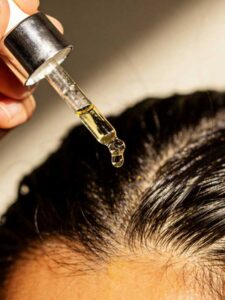
Moisture plays a major role in edge health. Dry hair snaps faster than moisturized hair. The edges feel this first because they are finer and more exposed.
When edges lack moisture, styling becomes risky. Combing and brushing create friction. Even gentle styles can cause breakage on dry hair. This is why moisture should come before styling, not after.
Lightweight products work best for the hairline. Heavy creams weigh the edges down. They also attract buildup. Buildup leads to more manipulation, which weakens the hair over time.
Consistent moisture makes edges more flexible. Flexible hair handles low tension better. It bends instead of snapping. Over time, this supports length retention along the hairline.
Moisture does not need to feel complicated. Water-based products. Light oils to seal. Gentle application. These steps protect the edges without adding stress.
Why Styling Frequency Matters More Than Style Type
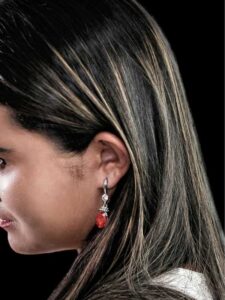
Many people focus only on the style they choose. They forget how often they restyle. Frequency often causes more damage than the style itself.
Redoing styles too often increases manipulation. Each touch adds friction. Each adjustment pulls at the hairline. Over time, this creates weakness.
Letting styles last longer reduces handling. The edges get time to rest. This improves strength and appearance. Even simple styles benefit from fewer touch-ups.
There is a balance to maintain. Leaving styles in too long can cause dryness. Buildup can also form. Gentle refreshing helps without full restyling.
Spacing out styling sessions protects the hairline. It lowers tension and friction. This habit supports edge recovery more than dramatic changes.
How Protective Styling Can Help or Hurt Your Edges

Protective styles often get praise for hair growth. Still, not every protective style protects the edges. The difference lies in tension and execution.
Styles that pull tightly at the front defeat the purpose. Braids, twists, or installs that grip the hairline cause stress. The damage may not show right away, but it builds.
Edge-friendly protective styles leave the hairline relaxed. They avoid small, tight sections at the front. This allows the edges to rest while the rest of the hair stays secured.
Weight also matters. Heavy extensions pull downward. The edges absorb that strain. Lighter materials reduce this pressure and feel easier to wear.
Protective styling works best when paired with breaks. Constant installs without rest weaken the hairline. Time between styles allows recovery. Protection should never feel painful.
Signs Your Edges Need a Break From Styling

Edges often show stress before the rest of the hair. Early signs feel subtle. Ignoring them makes recovery harder.
Soreness around the hairline is a warning. Tingling or itching also signals tension. These feelings should not be normal after styling.
Visible thinning is another sign. The edges may look sparse or uneven. Short broken hairs may appear along the hairline.
Excess shedding during styling matters too. If many small hairs fall out, the edges may be overstressed. This often follows repeated tension.
When these signs appear, rest becomes necessary. Switching to low-manipulation styles helps. Gentle care allows the hairline to recover before damage worsens.
Choosing hairstyles that help prevent edge damage is a personal decision. What works well for one person may feel wrong for another. Comfort, routine, and hair needs all matter. There is no single perfect option.
Protecting the edges often means making small changes. Looser styles. Less tension. Fewer touch-ups. These choices may seem simple, but they add up over time. Consistency matters more than perfection.
It also helps to listen to your hairline. Discomfort, thinning, or soreness signal the need for rest. Responding early makes recovery easier. Gentle care supports long-term progress.
Healthy edges do not require constant effort or extreme rules. They grow best with patience and balance. When a style feels right and supports your routine, it becomes easier to maintain. The goal is not flawless hair, but hair that feels strong, comfortable, and yours.
This Post Showed You How to Choose Hairstyles That Prevent Edge Damage
You may also like:
22 Effortless Low Maintenance Hairstyles for Short Hair You’ll Love
Beautiful Hairstyles for Long Hair You Can Wear Every Day
20 Curly Hair Ideas You’ll Love, Timeless & Trendy Styles
Hairstyles for Short Hair That Are Chic, Easy, and Trendy Looks You’ll Love