How to Choose Protective Hairstyles That Work Through Seasonal Changes
Many people choose the same hairstyles because protective hairstyles feel familiar and easy to manage in daily life. These choices often come from busy schedules and the need for comfort. When a style saves time and effort, trends matter less.
Seasonal changes make hair choices more important. Weather affects how hair feels and behaves each day. Cold air can dry the hair. Heat and humidity can cause frizz and tension. Because of this, people look for styles that protect the hair and stay in place without constant fixing.
Protective hairstyles meet this need well. They limit daily handling and help hair stay healthier. They also make care routines easier as seasons change. For many people, these styles offer comfort, stability, and support for healthy hair over time.
Why This Style Feels Appealing
Protective hairstyles often feel appealing because they bring a sense of order and ease to daily life. When hair stays secured and less exposed, routines feel more predictable and less stressful. Many people enjoy knowing their hair will hold its shape through long days, weather changes, or busy schedules without constant attention.
There is also emotional comfort in familiarity. Over time, people become used to how they look and feel with certain styles, especially those that frame the face or reduce visible damage. This familiarity creates confidence because the style feels safe and reliable. Instead of worrying about dryness, breakage, or frizz, people can move through the day with fewer distractions.
Protective hairstyles also appeal because they support balance between appearance and care. They allow hair to rest while still looking intentional and put together. For many, this balance removes pressure to style hair every day, which can feel exhausting over time. The result is a calmer relationship with hair and a routine that feels easier to maintain.
From personal experience, these styles often feel most helpful during busy periods or stressful weeks. When time feels limited, choosing a protective style reduces decision fatigue in the morning. That small sense of control can make the entire day feel more manageable, which explains why so many people return to these styles again and again.
How Protective Hairstyles Affect Confidence
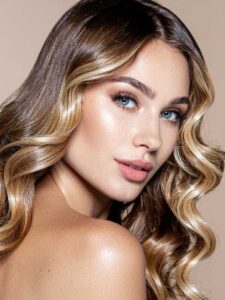
Protective hairstyles can shape confidence in simple but steady ways. When hair feels secure, many people feel more prepared for the day ahead. Less worry about frizz, dryness, or breakage allows the mind to stay calm and focused.
This effect becomes clear in everyday situations. Long workdays feel easier when hair stays in place from morning to evening. Sudden weather changes cause less stress because the style holds its shape. Social plans also feel more comfortable when there is no need to fix or hide the hair.
Protective hairstyles can also reduce self-conscious habits. People often stop touching their hair or checking mirrors throughout the day. This small change can affect posture and body language. When hair feels settled, movement often feels more relaxed and confident.
Routine plays an important role as well. Wearing the same style for several days builds familiarity. Familiar styles feel predictable and safe, which reduces doubt about appearance. Over time, this consistency can improve how someone feels in public and private settings.
Confidence does not come from the style alone. It grows when the style fits daily habits, comfort levels, and personal needs. When protective hairstyles align with lifestyle and self-care routines, they support confidence in a natural and realistic way.
Why Protective Hairstyles Often Get Misunderstood
Protective hairstyles are often misunderstood because people focus only on appearance. Some believe these styles exist to hide hair or avoid styling. Others assume they are boring, outdated, or chosen only for convenience.
In reality, protective hairstyles serve a clear purpose. They reduce daily stress on the hair. They also limit constant touching and pulling. Many of these styles still need planning, care, and upkeep. The effort simply happens less often.
Another misunderstanding is the idea that one protective style works for everyone. Hair texture, daily routine, and climate all play a role. A style that feels light for one person may feel heavy for another. This is why personal comfort matters more than copying a trend.
A better way to view protective hairstyles is to see them as support, not restriction. These styles do not remove beauty or expression. Instead, they create room for healthier habits and easier routines. When viewed this way, they feel intentional and practical.
Things to Know Before Trying Protective Hairstyles
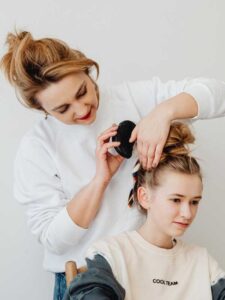
Protective hairstyles do not work the same way for everyone. Hair type, length, and daily habits all influence how a style feels and performs. What works well for one person may feel uncomfortable or impractical for another. This is normal and expected.
It is also important to understand that protective hairstyles are not a quick fix. They support hair care, but they do not replace it. Regular cleansing, moisture, and gentle handling still matter. A style can protect the hair, but habits determine results.
Comfort should always come first. Styles that feel too tight or heavy can cause stress on the scalp and hairline. Protective hairstyles should feel secure, not painful. If a style causes discomfort, it may need adjustment or a different approach.
Individual routine plays a major role. Work schedules, climate, and activity level affect how long a style lasts and how it should be maintained. Choosing a style that fits daily life increases the chance of success. Protective hairstyles work best when they support real routines, not ideal ones.
My Honest Take on Protective Hairstyles
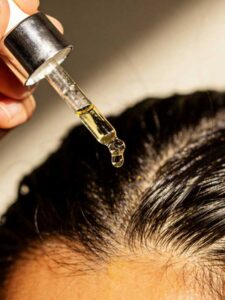
Protective hairstyles have played a steady role for me during seasons when routines felt demanding or unpredictable. When work, weather, or personal schedules left little room for daily styling, these styles helped remove one layer of pressure. Knowing my hair was already set made mornings feel calmer and less rushed.
What stands out most is how protective hairstyles support flexibility rather than control. They allow space to respond to changes in energy, time, and climate. During warmer months, lighter styles feel more comfortable. In colder or drier seasons, longer-lasting options feel more supportive. That ability to adjust makes the experience feel personal instead of rigid.
I have also learned that protective hairstyles work best when comfort stays a priority. Styles that feel too tight or heavy quickly lose their benefit. When I paid attention to scalp comfort and adjusted tension early, the style lasted longer and felt easier to maintain. Ignoring those signals often led to discomfort and frustration.
Protective hairstyles have also changed how I think about maintenance. They do not remove the need for care, but they shift when and how that care happens. Instead of daily styling, the focus moves to preparation, moisture, and gentle upkeep. This approach feels more sustainable over time.
Overall, I view protective hairstyles as a supportive tool rather than a rule. They work best when chosen with intention and adjusted as needed. When they fit real life and real habits, they offer both practical value and a sense of ease that carries through different seasons.
Frequently Asked Questions
1. How long should protective hairstyles be kept in?
Most protective hairstyles can stay in for one to four weeks, depending on the style and comfort level. Scalp health, moisture, and tension should guide the timing. If itching or discomfort starts early, the style may need to come out sooner.
2. Do protective hairstyles work for all hair types?
Protective hairstyles can work for many hair types, but results vary. Texture, length, and density all affect how a style feels and lasts. Adjustments are often needed to match individual hair needs.
3. Can protective hairstyles be worn in every season?
Protective hairstyles can be worn year-round, but the type of style often changes with the season. Lighter styles feel better in hot or humid weather. Heavier or longer-lasting styles may suit colder or drier months.
4. Do protective hairstyles stop hair growth?
Protective hairstyles do not directly cause hair growth. They help by reducing breakage and daily handling. This makes it easier to retain length over time.
5. How can discomfort be avoided with protective hairstyles?
Discomfort can be reduced by avoiding tight styles and paying attention to scalp tension. Proper preparation, regular moisture, and gentle upkeep also help. Comfort should always come before style longevity.
Protective hairstyles are not about following strict rules or fitting into one look. They are about choosing styles that support comfort, routine, and personal needs through changing seasons. When a style fits daily life, it feels easier to maintain and more natural to wear.
There is no single right way to wear protective hairstyles. Hair type, lifestyle, and preference all matter. What feels supportive for one person may not work the same way for another. Paying attention to comfort and response over time helps guide better choices.
At their best, protective hairstyles allow space for self-expression without added stress. They create balance between care and appearance. When chosen with intention, they support both hair health and confidence while adapting to real life, not perfection.
This Post Showed You How to Choose Protective Hairstyles That Work Through Seasonal Changes
You may also like:
Easy Spring Protective Hairstyles That Save Time
17 Soft Waves Tutorial for Low-Effort, Beautiful Results
15 Hairstyles For Photoshoots With Minimal Products You’ll Love
14 Valentine’s Braided Hairstyles That Look Romantic but Easy
10 Easy Sleek Ponytail Tutorials for Beginners That Last All Day