Easy Spring Protective Hairstyles That Save Time
Every spring, I notice the same quiet shift in how I feel about my hair, and that is usually when spring protective hairstyles start to make sense for me. The weather gets warmer, days feel fuller, and my patience for long styling routines slowly fades. I still care about looking put together, but I no longer want my hair to compete with the rest of my day.
I start paying more attention to how my hair fits into real life. On busy mornings, I want to leave the house without checking mirrors again and again. During long days, I want my hair to stay in place without constant fixing. When evenings arrive, I want to feel comfortable, not irritated or tired from tension.
At this point, spring protective hairstyles stop feeling like a choice and start feeling like support. They are not about doing more or trying harder. Instead, they are about choosing styles that work quietly in the background. When my hair feels handled, I feel lighter and more focused. That sense of ease is what keeps pulling me back to protective styles every spring.
Why These Styles Work in Real Life
What makes these styles work in real life is not how they look in controlled settings, but how they behave during normal days. Hair has to handle heat, movement, long hours, and changing plans. Styles that depend on daily fixing often fail under those conditions. Protective styles respond differently because they focus on structure and stability.
In my experience, these styles reduce how much attention hair demands throughout the day. I notice less adjusting, less smoothing, and less checking mirrors. When hair stays in place, it becomes easier to focus on everything else. That sense of reliability matters more than perfection.
Comfort plays a big role here as well. A style that feels balanced on the scalp stays wearable for longer periods. There is less tension, fewer headaches, and less irritation by the end of the day. When comfort comes first, the style supports daily movement instead of fighting it.
Another reason these styles work is consistency. When hair feels manageable, care becomes easier to maintain. Moisturizing, protecting at night, and checking the scalp feel simple rather than overwhelming. Over time, that consistency improves both comfort and hair health. This is why these styles continue to work beyond photos and trends.
How Spring Protective Hairstyles Fit Into Everyday Life

Once I choose spring protective hairstyles, my daily routine starts to feel lighter almost immediately. I no longer plan my mornings around styling time. Instead, I wake up knowing my hair already works, which removes one decision from an already busy start to the day.
On workdays, this matters more than I expect. I can get dressed, step out, and focus on where I am going rather than how my hair looks. Even when plans change or days run long, the style holds up. That consistency makes everyday life feel easier to manage.
Maintenance still exists, but it feels spread out instead of constant. I do not have to restyle every morning. I focus on small habits every few days instead. Light moisture, gentle scalp care, and nighttime protection become part of my routine. Because these steps feel simple, I stick to them.
Over time, I notice how this approach affects my energy. I spend less time fixing and more time living. My hair stops feeling like a task and starts feeling like support. That is why spring protective hairstyles fit so naturally into everyday life for me.
Popular Variations People Ask About
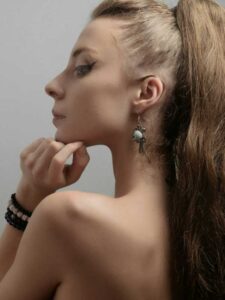
When people talk to me about spring protective hairstyles, the first thing they ask is not about trends. They usually ask about comfort. They want to know what feels light, what lasts longer, and what fits their daily routine best.
Some people lean toward twist-based styles because they feel softer on the scalp. These styles allow more movement and tend to feel less restrictive. For those who do not like heavy tension or a stiff look, twists often feel easier to live with. They also make sense for people who want a natural appearance without daily styling.
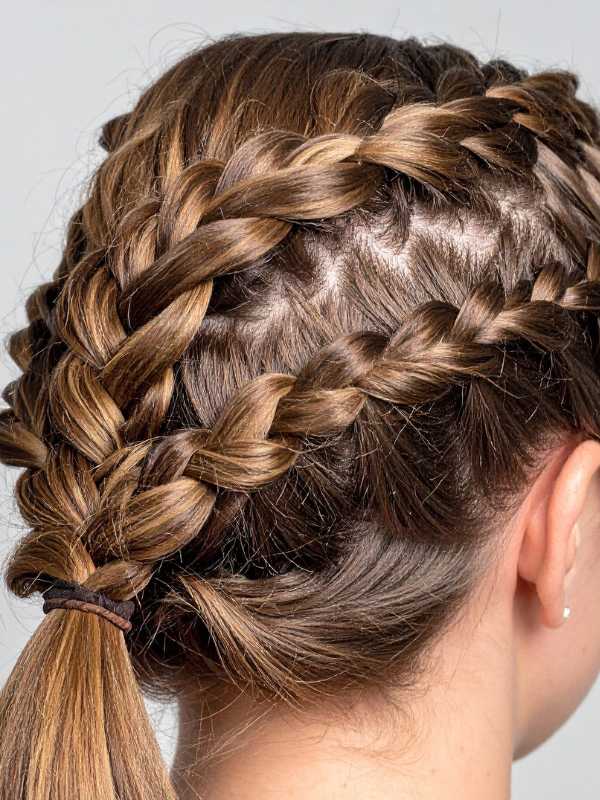
Others prefer braided styles, especially during busy weeks. Braids hold their shape well and usually last longer with less effort. When schedules are full or weather feels unpredictable, this added structure brings peace of mind. Many people choose braids because they can install the style once and focus on other priorities.
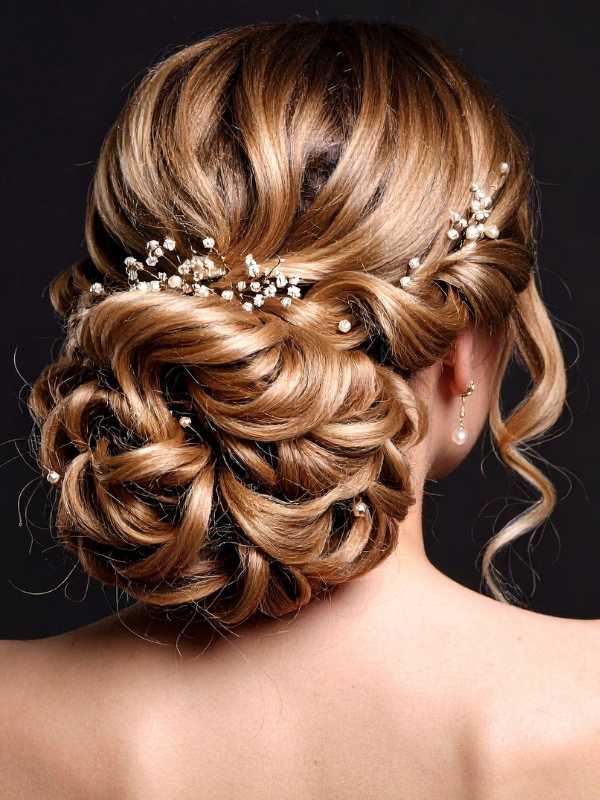
Protective updos appeal to a different need. They suit people who want a clean and polished look that works across settings. These styles often feel lighter around the neck and face, which matters as temperatures rise. For work, events, or long days out, updos provide both comfort and control.
Each variation serves a purpose. That is why the best choice often depends less on appearance and more on how the style fits into real life.
Things to Know Before Trying Spring Protective Hairstyles
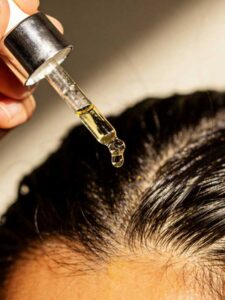
Before I settle on spring protective hairstyles, I always slow down and think about preparation. The way hair feels under a protective style matters just as much as how the style looks. When hair lacks moisture, even a well-installed style can feel uncomfortable within days. That discomfort often leads to frustration or early takedown.
Scalp health also plays a big role. If my scalp feels dry or irritated before styling, those issues usually become worse once the hair is tucked away. I have learned that a calm scalp makes a protective style easier to wear for longer. Simple steps like gentle cleansing and light moisturizing make a noticeable difference.
It is also important to understand that protective does not mean hands-off. The hair underneath still needs attention. Moisture, cleanliness, and airflow all matter during wear. Ignoring the scalp often leads to itching or buildup, which defeats the purpose of choosing a low-stress style.
Tension is another detail I never ignore. If a style feels painful at the start, it rarely improves with time. Tightness can affect comfort, sleep, and even confidence. Paying attention to how a style feels during installation helps prevent problems later. Knowing these details ahead of time makes spring protective hairstyles feel supportive instead of stressful.
My Honest Take on Spring Protective Hairstyles
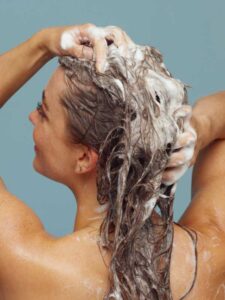
Over time, spring protective hairstyles have become a practical choice for me, not a styling statement. They work best when my days feel full and unpredictable. When I know my hair is already handled, I feel less pressure to keep checking or fixing it. That sense of ease affects my mood more than I expect.
What I appreciate most is the consistency. My hair looks the same in the morning and still feels acceptable by evening. I do not have to plan my day around touch-ups or worry about how heat or movement will affect the style. That reliability allows me to focus on other things without distraction.
At the same time, I have learned to be honest about the limits. Protective styles can feel restrictive if I want frequent changes. They also depend heavily on good installation. When a style is done poorly, comfort disappears quickly. In those moments, the style stops feeling helpful and starts feeling like a burden.
For me, these styles work best during seasons when simplicity matters more than variety. When I choose them with comfort and routine in mind, they support my lifestyle instead of competing with it. That balance is what makes spring protective hairstyles worth returning to year after year.
How Spring Protective Hairstyles Support Comfort, Time, and Hair Health
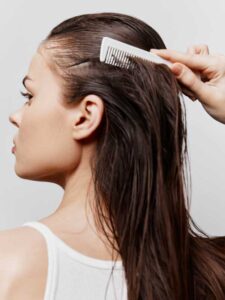
Spring changes how hair behaves, and I feel that shift every year. Warmer air, humidity, and longer days make loose styles harder to manage. Frizz appears faster. Dryness shows up without warning. Protective hairstyles help reduce that daily struggle by limiting exposure and friction. When hair stays tucked away, it holds moisture better and reacts less to sudden weather changes.
Routine becomes simpler once a protective style is in place. I no longer need to think about styling every morning. Instead, I focus on small care habits that feel manageable. Gentle cleansing keeps my scalp calm. Light moisture prevents dryness. Nighttime protection reduces friction. These steps take little time, but they make a noticeable difference.
The time saved goes beyond minutes in front of a mirror. Fewer styling decisions reduce mental stress. Mornings feel calmer. Days feel more organized. When hair stops demanding attention, energy shifts to other priorities. That mental ease becomes one of the biggest benefits of protective styling.
Over time, hair health also improves. Reduced manipulation lowers breakage and tension. Moisture stays locked in longer. The scalp feels more balanced because it is not constantly disturbed. Protective styles do not replace good habits, but they support them. When care feels simple, consistency becomes easier, and results follow naturally.
Frequently Asked Questions
1. Is spring protective hairstyles easy to maintain?
Spring protective hairstyles are usually easy to maintain, but real life still plays a role. Activity level, climate, and scalp sensitivity all affect how simple upkeep feels. When daily movement is high or weather is humid, care becomes more important. Light moisture and regular scalp checks help the style stay comfortable. When care feels manageable, maintenance stops feeling like work.
2. Does spring protective hairstyles work for everyone?
These styles work for many people, but they do not suit every preference. Some people enjoy structure and consistency. Others prefer loose styles and daily styling freedom. Lifestyle, comfort, and patience matter more than hair type alone. Choosing based on how you live leads to better results.
3. How long does spring protective hairstyles usually last or stay fresh?
Longevity depends on the style choice and care routine. Clean scalp care and gentle handling help extend freshness. Skipping care or touching the hair often shortens wear time. When maintenance stays simple and consistent, the style usually lasts longer without discomfort.
4. What is the most common mistake people make?
One common mistake is choosing a style based only on appearance. Comfort, tension, and routine matter just as much. Ignoring early discomfort often leads to irritation or early removal. A better approach is choosing a style that fits daily habits and comfort levels.
5. How can I make spring protective hairstyles look more polished?
A polished look often comes from consistency, not extra effort. Clean parts help the style look neat. A moisturized scalp improves comfort and appearance. Nighttime protection reduces frizz and wear. These habits take little time but make a visible difference.
Spring protective hairstyles remain popular because they meet real needs. They support busy routines, changing weather, and limited energy without demanding constant attention. These styles work best when chosen with comfort and lifestyle in mind.
There is no perfect option that fits everyone. What matters most is how a style feels during real days, not how it looks in ideal moments. When a hairstyle fits your routine and respects your comfort, it becomes easier to maintain and more enjoyable to wear. That balance is what keeps spring protective hairstyles relevant year after year.
This Post Showed You Easy Spring Protective Hairstyles That Save Time
You may also like:
15 Hairstyles For Photoshoots With Minimal Products You’ll Love
14 Valentine’s Braided Hairstyles That Look Romantic but Easy
10 Easy Sleek Ponytail Tutorials for Beginners That Last All Day
15 Easy Heatless Curl Methods That Actually Work at Home
20 Romantic Curls for Beginners With Simple Tools (Step-by-Step)